

In today’s fast-growing digital landscape, having a solid business framework without a digital marketing plan is like opening a store in the middle of nowhere—no matter how great your products or services are, your audience cannot reach you.
As we move deeper into 2026, businesses of all sizes are realizing that digital marketing is no longer optional; it is essential for growth, visibility, and long-term success.
This blog explores why digital marketing is a critical component of your business plan, how it impacts the success of your business, and what components you should include to stay competitive in an increasingly online world.
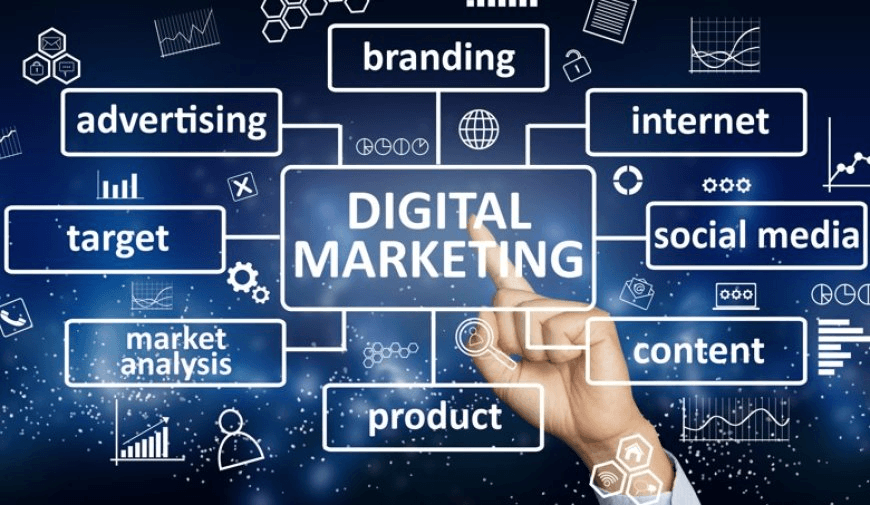
What Is a Digital Marketing Strategy?
A digital marketing strategy is a structured plan that outlines how your business will use online media—such as search engines, social media, email, and websites—to achieve its marketing goals and reach to the customers. It aligns your brand messaging, target audience, and marketing tactics into a cohesive roadmap designed to drive measurable results.
Unlike traditional marketing, digital strategies are data-driven, allowing businesses to track performance, optimize campaigns, and maximize return on investment (ROI) in real time.
Why a Digital Marketing Strategy Is Essential for Your Business Plan
1. Establishes Clear Business Goals
A strong digital marketing plan helps define clear, measurable goals that align with your overall business objectives to reach customers. Whether it’s increasing website traffic, generating leads, or boosting sales, your strategy ensures every action contributes to a specific outcome.
Without this clarity, businesses often waste time and resources on things that give minimal results.
2. Helps You Understand Your Target Audience
One of the biggest advantages of digital marketing is access to data and user behaviour. A well-developed strategy includes audience research, helping you identify:
- Who your customers are
- What they need
- Where do they spend most of their time online
- How do they make purchasing decisions from the website
This insight allows you to create personalized marketing campaigns that work with your audience, increasing engagement and conversion rates.
3. Builds a Strong Online Presence
In 2026, consumers will depend heavily on online studies before making purchasing decisions. If your business doesn’t appear in search results or on social platforms, you’re losing potential customers.
A digital marketing strategy ensures:
- Your website is optimized for search engines (SEO) with a better description
- Your brand is active on relevant social media platforms with properly managed
- Your content provides value and builds trust so that they can buy the product or service
This consistent online presence strengthens brand awareness and credibility to attract loyal customers.
4. Improves Search Engine Visibility (SEO)
Search engine optimization (SEO) is a core part of any digital marketing strategy. It helps your business rank higher on search engines with a few keywords, making it easier for potential customers to find you and most probably generate leads.
Key SEO benefits include:
- Increased organic traffic without spending a large amount
- Higher brand credibility on search engines
- Long-term visibility without ongoing ad spend every day
Without a strategy, your website may remain invisible in search results, regardless of how good your offerings are.
5. Cost-Effective Marketing Approach
Compared to traditional advertising methods like TV or print, digital marketing is significantly cheaper. It allows businesses to:
- Target specific audiences online
- Set flexible budgets according to requirements
- Measure performance accurately for better next steps
A well-planned strategy ensures you invest in channels that deliver the best results, minimizing waste and maximizing ROI.
6. Enables Data-Driven Decision Making
One of the most powerful aspects of digital marketing is analytics. Tools like website analytics, social media insights, and campaign tracking provide real-time data about your performance.
With a strategy in place, you can:
- Monitor key performance indicators (KPIs)
- Identify what works and what doesn’t
- Adjust campaigns instantly for better results
This level of control is impossible without a structured approach.
7. Keeps You Competitive in Your Industry
Your competitors are already investing a good amount of resources in digital marketing. Without a strategy, you risk falling behind in visibility, customer engagement, and sales.
A digital marketing strategy allows you to:
- Analyze competitors and their strategy
- Identify gaps in the market
- Position your brand effectively
Staying competitive requires continuous adaptation—and a strategy gives you that flexibility.
8. Enhances Customer Engagement and Relationships
Digital platforms provide direct communication channels between businesses and customers. Through social media, email, and content marketing, you can engage your audience in meaningful ways and build a connection with them.
Benefits include:
- Building trust and loyalty
- Encouraging repeat purchases
- Creating a community around your brand
A strategic approach ensures consistent and valuable interactions with your audience.
9. Supports Business Growth and Scalability
As your business grows, your marketing efforts need to scale accordingly to the demands. A digital marketing strategy provides a framework that can evolve with your business needs and how you want to play in the market.
You can:
- Expand into new markets
- Launch new products effectively
- Increase your reach without significantly increasing costs
This scalability makes digital marketing an essential component of long-term planning.
10. Integrates All Marketing Channels
A digital marketing strategy connects all your marketing efforts into a unified system. Instead of isolated campaigns, you create a seamless customer journey across multiple platforms.
For example:
- SEO drives traffic to your website
- Content marketing educates visitors
- Email marketing nurtures leads
- Social media builds engagement
This integration ensures consistency and maximizes overall impact.
Key Components of an Effective Digital Marketing Strategy
To fully leverage digital marketing, your business plan should include the following elements:
1. Search Engine Optimization (SEO)
Focus on optimizing your website for relevant SEO keywords, improving site speed with better hosting, and creating high-quality content to rank higher in search results.
2. Content Marketing
Content is the main component of digital marketing. Blog posts, videos, infographics, and guides help attract, educate, and convert your audience to generate leads.
3. Social Media Marketing
Choose platforms where your target audience is most active and create engaging content to build relationships and increase brand awareness.
4. Pay-Per-Click Advertising (PPC)
Paid ads allow you to reach your audience quickly and generate immediate traffic. Platforms like search engines and social media offer targeted advertising options.
5. Email Marketing
Email remains one of the most effective channels for nurturing leads and maintaining customer relationships through personalized communication.
6. Analytics and Reporting
Track your performance using analytics tools to measure success and continuously improve your strategy.
Common Mistakes to Avoid
Even with a strategy, businesses often make mistakes that limit their success. Avoid these pitfalls:
- Ignoring data and analytics
- Targeting too broad an audience
- Inconsistent branding and messaging
- Neglecting mobile optimization
- Failing to update and adapt strategies
A successful digital marketing strategy requires ongoing attention and refinement.
Future Trends in Digital Marketing (2026 and Beyond)
To stay ahead, your strategy should also consider emerging trends:
- AI-driven marketing and automation
- Voice search engine
- Video and short-form content dominance
- Privacy-focused marketing
Adapting to these trends ensures your business remains relevant and competitive.
Conclusion
A digital marketing strategy is no longer just an option; it is a fundamental part of any successful business plan. It provides direction, improves efficiency, and ensures your business reaches the right audience at the right time.
From increasing visibility and engagement to driving growth and profitability, the benefits are undeniable. Without a clear strategy, businesses risk falling behind in an increasingly digital world.
If you want your business to thrive in 2026 and beyond, integrating a well-structured digital marketing strategy into your business plan is not just important—it’s essential.










Leave a Reply