
In today’s fast-growing tech world, one role continues to stand out for its versatility and demand—full stack development. If you’ve ever asked yourself what full-stack development is or wondered whether it’s the right career path, you’re in the right place.
This guide will walk you through everything you need to know, from basics to skills, roles, and career opportunities.
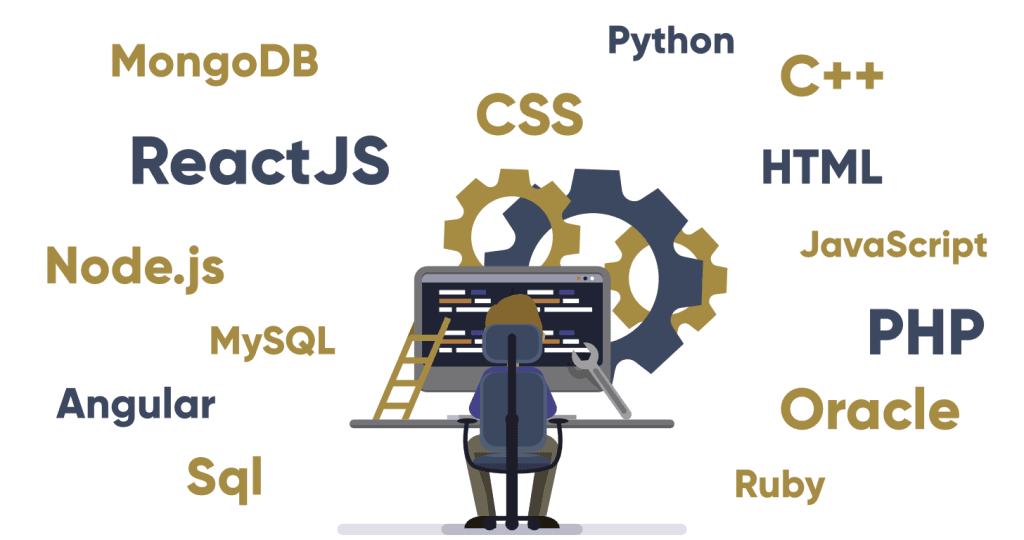
What Is Full Stack Development?
Full stack development refers to the process of building both the front-end (client side) and back-end (server side) of a web application. In simple terms, it means working on everything that makes a website or app function—from what users see to how the system processes data behind the scenes.
When people search for what is full stack development or what is full-stack development, they are usually trying to understand how one developer can manage an entire web project. The answer lies in having a broad skill set that covers multiple layers of development.
What Is a Full Stack Developer?
A very common question is what is a full-stack developer. A full-stack developer is a professional who can handle both front-end and back-end development tasks.
They are capable of:
- Designing user interfaces
- Writing server-side logic
- Managing databases
- Integrating APIs
- Deploying applications
In short, they can build a complete web application from start to finish.
You may also come across the phrase what is a full-stack developer, which refers to the same role—someone skilled across the entire development stack.
What Is Full Stack Web Development?
To better understand what is full stack web development, think of it as a combination of all layers involved in creating a web application.
It includes:
1. Front-End Development
This is the visual part of a website—the layout, buttons, colors, and interactive elements users engage with.
Technologies used:
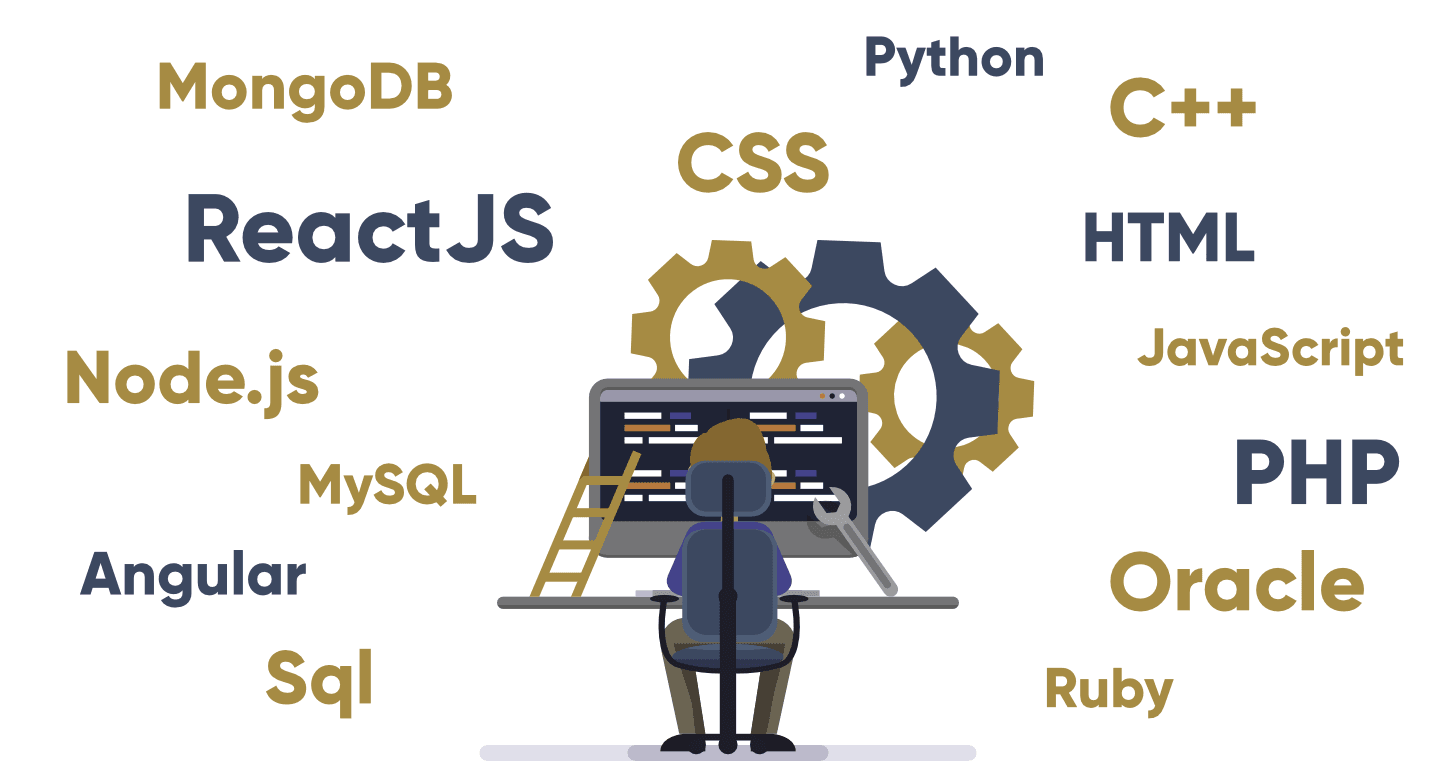
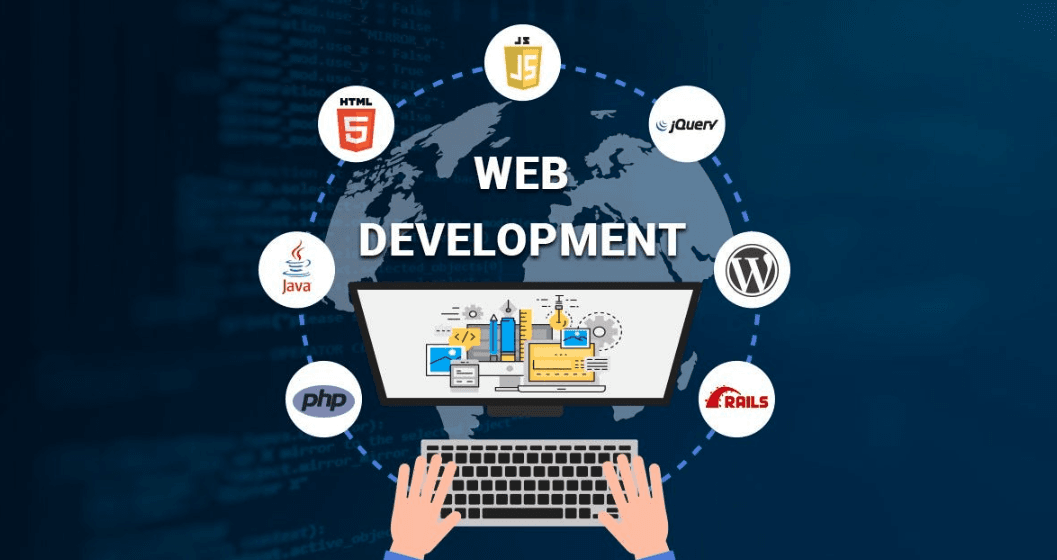
- HTML
- CSS
- JavaScript
2. Back-End Development
This is the server-side logic that processes requests, manages data, and ensures everything runs smoothly.
Technologies used:
- Node.js
- Python
- PHP
- Java
3. Database Management
Full-stack developers also work with databases to store and retrieve data.
Examples:
- MySQL
- MongoDB
- PostgreSQL
Key Skills Required for Full Stack Development
If you’re exploring what full-stack is, it’s important to understand the skills required to succeed in this field.
Technical Skills:
- Proficiency in front-end technologies (HTML, CSS, JavaScript)
- Knowledge of back-end programming languages
- Understanding of databases
- Familiarity with version control systems like Git
- Experience with frameworks (React, Angular, Express)
Soft Skills:
- Problem-solving
- Time management
- Communication
- Adaptability
Because full stack developers handle multiple responsibilities, they need both technical depth and flexibility.
Popular Full Stack Development Technologies
Full-stack development often involves working with technology stacks—combinations of tools used together.
Some popular stacks include:
- MERN Stack (MongoDB, Express, React, Node.js)
- MEAN Stack (MongoDB, Express, Angular, Node.js)
- LAMP Stack (Linux, Apache, MySQL, PHP)
These stacks help developers build scalable and efficient web applications.
Why Full Stack Development Is in High Demand
The demand for full-stack developers continues to grow, and here’s why:
- Versatility: Companies prefer developers who can handle multiple roles
- Cost-effective: Hiring one full-stack developer can reduce team size
- Faster development: Projects move more quickly with fewer dependencies
- Startup-friendly: Ideal for small teams and startups
This is why searches like what is a full stack developer and full-stack development are increasing rapidly.
Advantages of Becoming a Full Stack Developer
Choosing full-stack development as a career comes with several benefits:
- High earning potential
- Wide career opportunities
- Ability to build complete projects independently
- Better understanding of the entire development process
It also gives you the flexibility to switch between front-end and back-end roles.
Challenges in Full Stack Development
While the role is rewarding, it does come with challenges:
- Learning multiple technologies can be overwhelming
- Keeping up with constant updates in tools and frameworks
- Managing both client-side and server-side issues
However, with consistent practice and learning, these challenges become manageable.
How to Become a Full Stack Developer
If you’re inspired by learning what full-stack development is, here’s a simple roadmap to get started:
- Learn HTML, CSS, and JavaScript
- Build small front-end projects
- Learn a back-end language (Node.js or Python)
- Understand databases
- Work with a full-stack framework
- Build real-world applications
- Create a portfolio
The key is to practice regularly and build projects that showcase your skills.
Full Stack Developer vs Specialized Developer
You might wonder whether to become a full stack developer or specialize in one area.
- Front-end developers focus only on UI/UX
- Back-end developers focus on server-side logic
- Full stack developers handle both
Full stack development is ideal if you enjoy working on all aspects of a project.
Career Opportunities in Full Stack Development
After understanding what full-stack web development is, you’ll find many career paths available:
- Full Stack Developer
- Software Engineer
- Web Application Developer
- Technical Lead
- Startup Founder
With experience, you can move into senior roles or even start your own projects.
Final Thoughts
So, what is full-stack development? It’s the ability to build complete web applications by working on both the front-end and back-end. A full stack developer is a versatile professional who understands the entire development process and can turn ideas into fully functional digital products.
Whether you’re just starting your journey or exploring career options, full-stack development offers incredible opportunities. With the right skills, dedication, and hands-on practice, you can become a valuable asset in the tech industry.
If you’re serious about learning, start small, stay consistent, and keep building—because in the world of full-stack development, growth never stops.