
In today’s tightly connected economy, digital transformation in business is no longer optional but compulsory. Organizations across industries are investing in digital transformation services, cloud technologies, AI, automation, and data analytics to remain competitive and future-ready in the market.
From startups to multinational corporations, every business is rethinking how technology can improve operations, customer experiences, and profitability.
This guide explores the definition, key frameworks, real-world examples, industry applications, and the growing demand for digital transformation consultants and solutions.

What Is Digital Transformation?
The digital transformation definition refers to the integration of digital technologies into all areas of a business to fundamentally change how organizations operate and deliver value to customers.
It is more than simply adopting new software. It involves changing business culture, workflows, customer engagement strategies, and decision-making processes using technology and data.
Digital Transformation Meaning
The digital transformation’s meaning centers around innovation and modernization. Businesses use digital tools to:
- Improve operational efficiency
- Automate repetitive tasks
- Enhance customer experiences
- Make data-driven decisions
- Increase scalability
- Create new revenue streams
Companies that fail to embrace digital transformation in business risk falling behind competitors that move faster and adapt better to changing customer expectations.
Why Digital Transformation in Business Matters
Digital transformation in business has become essential because consumer behavior and market conditions evolve rapidly. Businesses today must operate faster, smarter, and more efficiently to compete in the market.
Key Benefits of Digital Transformation
1. Improved Customer Experience
Digital tools allow businesses to personalize customer interactions, offer faster support, and provide seamless online experiences.
2. Increased Operational Efficiency
Automation and AI reduce manual work, eliminate inefficiencies, and improve productivity.
3. Better Data Analytics
Modern digital transformation solutions enable companies to collect and analyze real-time data for smarter decision-making.
4. Enhanced Agility
Organizations can adapt quickly to market changes and customer demands.
5. Cost Reduction
Cloud computing and workflow automation lower operational costs significantly.
Digital Transformation Framework
A strong digital transformation framework helps organizations implement change strategically and sustainably.
Core Components of a Digital Transformation Framework
Leadership and Vision
Executives must define clear goals and align transformation initiatives with business objectives.
Technology Infrastructure
Cloud computing, cybersecurity, AI, IoT, and analytics form the technological foundation.
Process Automation
Businesses automate repetitive tasks to improve efficiency and reduce errors.
Data Strategy
Organizations need centralized data management and analytics capabilities.
Employee Training
Teams must adapt to new systems and workflows through continuous learning.
Customer-Centric Approach
Transformation efforts should prioritize customer needs and experiences.
A successful digital transformation framework ensures technology investments produce measurable business outcomes.
Digital Transformation Examples
Understanding digital transformation examples can help businesses identify opportunities for innovation.
Retail Industry
Retail companies use AI-powered recommendation engines, mobile apps, and automated inventory management systems.
Healthcare
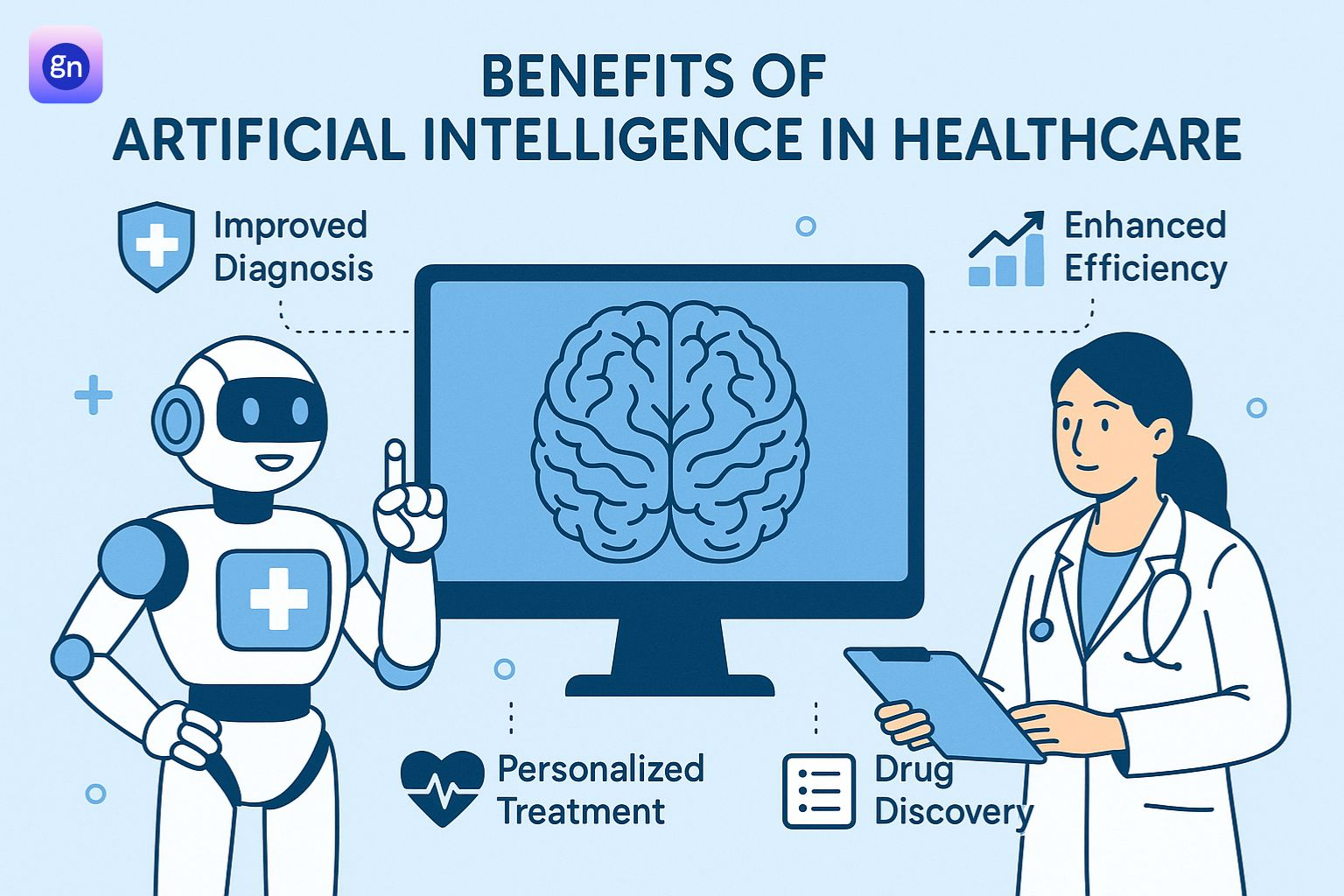
Hospitals implement telemedicine platforms, digital health records, and AI-assisted diagnostics.
Manufacturing
Factories adopt IoT devices, predictive maintenance systems, and robotics for smart manufacturing.
Logistics
Logistics companies use route optimization software, real-time tracking, and warehouse automation.
Hospitality
Hotels and travel companies deploy chatbots, online booking systems, and personalized marketing campaigns.
These digital transformation projects improve efficiency, customer satisfaction, and profitability.
Digital Transformation in Banking
Digital transformation in banking has reshaped how financial institutions operate and serve customers.
Banks now provide:
- Mobile banking apps
- AI-powered fraud detection
- Contactless payments
- Automated customer support
- Personalized financial recommendations
- Blockchain-based security systems
Traditional banks are increasingly partnering with fintech companies to accelerate innovation.
Benefits for the Banking Industry
- Faster transactions
- Reduced operational costs
- Better cybersecurity
- Enhanced customer convenience
- Improved regulatory compliance
Digital transformation in banking continues to evolve through AI, machine learning, and decentralized finance technologies.
Digital Transformation in Education
Digital transformation in education gained momentum during the global shift toward remote learning.
Educational institutions now use:
- Learning management systems
- Virtual classrooms
- AI-powered tutoring
- Digital assessments
- Interactive learning platforms
These digital transformation solutions improve accessibility and learning experiences for students worldwide.
The Role of a Digital Transformation Consultant
A digital transformation consultant helps organizations plan, execute, and optimize transformation strategies.
Responsibilities of a Digital Transformation Consultant
- Assessing current business processes
- Identifying technology gaps
- Recommending digital tools
- Managing implementation strategies
- Training teams
- Measuring ROI
Many businesses hire digital transformation consultants to reduce implementation risks and accelerate growth.
Digital Transformation Services
Modern digital transformation services cover a wide range of business needs.
Common Services Include
- Cloud migration
- AI implementation
- Business process automation
- Data analytics solutions
- Cybersecurity upgrades
- CRM integration
- ERP modernization
- Digital marketing transformation
Organizations often partner with a digital transformation agency to manage complex enterprise-wide initiatives.
Digital Transformation Solutions for Modern Enterprises
Digital transformation solutions vary depending on industry and business size.
Popular Technologies
Artificial Intelligence
AI enables automation, predictive analytics, and intelligent customer interactions.
Cloud Computing
Cloud platforms improve scalability, collaboration, and remote access.
Internet of Things (IoT)
IoT devices collect real-time operational data for optimization.
Robotic Process Automation (RPA)
RPA automates repetitive administrative tasks.
Big Data Analytics
Advanced analytics provide actionable business insights.
These technologies form the backbone of modern digital transformation projects.
Digital Transformation Jobs and Career Opportunities
The demand for digital transformation jobs continues to grow rapidly.
Popular Roles Include
- Digital transformation manager
- Business transformation analyst
- AI specialist
- Cloud architect
- Data analyst
- Cybersecurity consultant
- Automation engineer
Organizations seek professionals with expertise in technology, business strategy, and change management.
Digital Transformation Manager
A digital transformation manager oversees technology adoption initiatives and ensures alignment between business goals and digital strategies.
Best Digital Transformation Book Recommendations
Reading a quality digital transformation book can help leaders understand modern business innovation strategies.
Popular Books Include
- Leading Digital by George Westerman
- Digital Transformation by Thomas Siebel
- The Digital Matrix by Venkat Venkatraman
- Competing in the Age of AI by Marco Iansiti
These books explain digital transformation theory and practical implementation strategies.
Digital Transformation Course Options
Professionals looking to upskill can enroll in a digital transformation course online or through universities.
Common Course Topics
- AI and automation
- Cloud computing
- Data analytics
- Change management
- Innovation strategy
- Digital leadership
Many courses also provide certifications valued by employers.
Understanding Digital Transformation Theory
Digital transformation theory focuses on how organizations adapt to technological disruption.
Key concepts include:
- Organizational agility
- Innovation ecosystems
- Technology adoption models
- Customer-centric transformation
- Continuous improvement
Businesses that understand digital transformation theory are better equipped to sustain long-term growth.
Challenges in Digital Transformation
Despite its benefits, digital transformation in business presents several challenges.
Common Obstacles
- Resistance to change
- Legacy systems
- Cybersecurity concerns
- Budget limitations
- Skills shortages
- Poor data management
Successful companies address these issues through strategic planning and leadership support.
Future Trends in Digital Transformation
The future of digital transformation will be shaped by emerging technologies.
Key Trends to Watch
- Generative AI
- Hyperautomation
- Edge computing
- Blockchain
- Quantum computing
- Extended reality (XR)
- Sustainable technology initiatives
Businesses that embrace innovation early will gain competitive advantages in the digital economy.
Conclusion
Digital transformation is revolutionizing industries worldwide. Whether through automation, AI, cloud computing, or advanced analytics, businesses are leveraging technology to improve operations and customer experiences.
From digital transformation in banking to digital transformation in education, organizations across sectors are investing heavily in modernization strategies. By adopting the right digital transformation framework, hiring experienced digital transformation consultants, and implementing scalable digital transformation solutions, companies can thrive in an increasingly digital future.
As demand grows for digital transformation services, courses, jobs, and leadership roles, organizations and professionals alike must continue evolving to stay competitive in the modern business landscape.